
Understanding the Role of Peptide Purity in Laboratory Research
In molecular and peptide research, experimental reliability begins long before any protocol is executed. The integrity of experimental outcomes is directly tied to the quality and purity of the compounds used during investigation. Among the many variables researchers must control, peptide purity remains one of the most critical factors influencing reliable laboratory results.
Research-grade peptides are frequently used in analytical assays, receptor interaction studies, stability testing, and molecular pathway modeling. In these environments, even small variations in compound composition can introduce unexpected variables into experimental systems.
For this reason, peptide purity verification plays a central role in responsible laboratory research.
Sources of Impurities in Synthetic Peptides
Synthetic peptides are typically produced using solid-phase peptide synthesis (SPPS), a method that assembles amino acid chains sequentially to form a specific molecular sequence. While this process allows for precise construction of peptide structures, it can also introduce impurities during synthesis or purification.
Common sources of peptide impurities may include:
• incomplete peptide chain assembly
• side-reaction byproducts during synthesis
• degradation caused by environmental exposure
• contamination during handling or storage
Even minor impurities can influence experimental observations by affecting peptide stability, receptor binding behavior, or molecular signaling pathways.
For researchers performing analytical studies, impurities represent an uncontrolled variable that may influence data interpretation.
Why High-Purity Peptides Support Reliable Research
High-purity peptides provide a more stable and predictable research foundation. When peptides are purified to high standards and verified through analytical testing, researchers gain greater confidence in both molecular identity and compound consistency.
Research-grade peptides with verified purity allow laboratories to:
• reduce experimental variability
• improve reproducibility of analytical results
• maintain consistency across research batches
• strengthen internal quality control processes
Reliable research inputs support reliable experimental outcomes.
Reproducibility remains a cornerstone of credible scientific investigation, and peptide purity directly contributes to the ability of laboratories to replicate experimental findings under controlled conditions.
Analytical Methods Used to Verify Peptide Purity
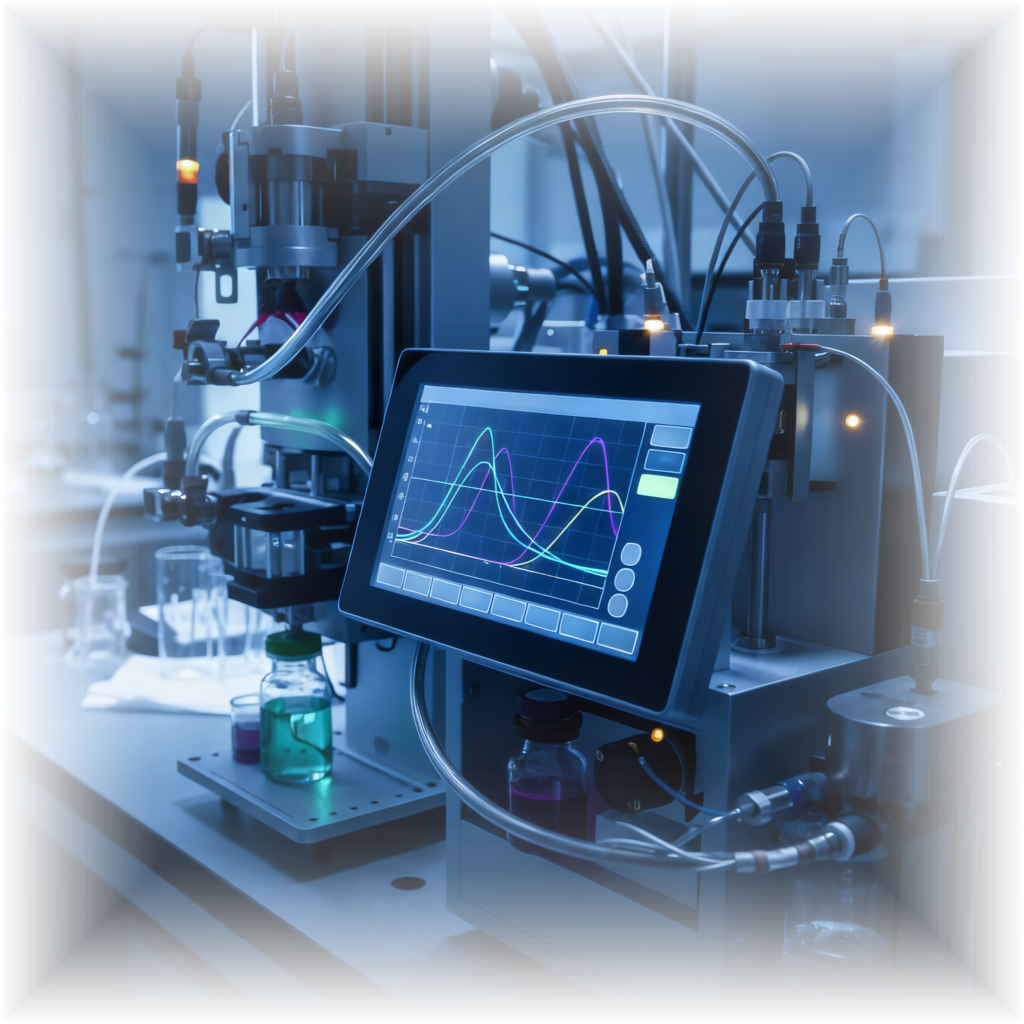
Modern peptide research relies on several analytical techniques to confirm peptide composition and purity prior to distribution or laboratory use.
Common verification methods include:
High-Performance Liquid Chromatography (HPLC)
HPLC is widely used to evaluate peptide purity by separating molecular components within a sample and measuring their relative concentrations.
Mass Spectrometry (MS)
Mass spectrometry helps confirm the molecular weight and identity of a peptide compound, ensuring the expected molecular structure has been synthesized.
Chromatographic Retention Analysis
Retention profiles provide additional verification of compound identity and purity characteristics.
Together, these analytical techniques allow researchers to evaluate peptide integrity and confirm that materials meet defined research standards.
Certificate of Analysis (COA) and Batch Transparency
Research-grade peptide suppliers typically provide Certificate of Analysis (COA) documentation for each production lot. These documents contain analytical information related to compound purity and testing methodology.
A typical peptide COA may include:
• batch identification number
• purity percentage
• chromatographic analysis results
• testing method used for verification
• laboratory analytical data
Batch-level documentation allows laboratories to maintain traceability and align experimental results with verified analytical specifications.
Example Research Peptides Used in Laboratory Studies
Several well-characterized peptides are commonly examined in molecular and analytical research environments. Researchers frequently investigate compounds such as Semaglutide, Tirzepatide, and BPC-157 when studying peptide structure, receptor interaction pathways, and molecular signaling behavior.
Learn more about these research peptides:
• Semaglutide
• Tirzepatide
• BPC-157
The Importance of Consistency in Research-Grade Peptides
In laboratory research, consistency is not optional. Researchers depend on stable, well-characterized materials to ensure experimental outcomes remain reliable and reproducible.
Peptide purity plays a central role in achieving this consistency.
When compounds are verified through structured analytical testing and supported by batch documentation, researchers are better equipped to conduct investigations with confidence in their molecular inputs.
Reliable inputs support reproducible science.
Reproducible science drives scientific progress.
Aevitas Research Purity Standards
At Aevitas Research, peptide purity is not a marketing phrase—it is a measured and validated standard.
Each peptide batch is subjected to analytical verification using established testing methodologies. Documentation associated with each production lot is designed to support transparency, traceability, and confidence in research materials.
By maintaining structured analytical standards and batch-level verification, Aevitas Research supports laboratories seeking reliable research-grade peptide materials for controlled experimental environments.
At Aevitas Research, purity is not a marketing phrase. It is a measured, validated standard.
Peptide research methodologies and analytical findings are widely documented in peer-reviewed literature available through resources such as PubMed.
