Product Overview
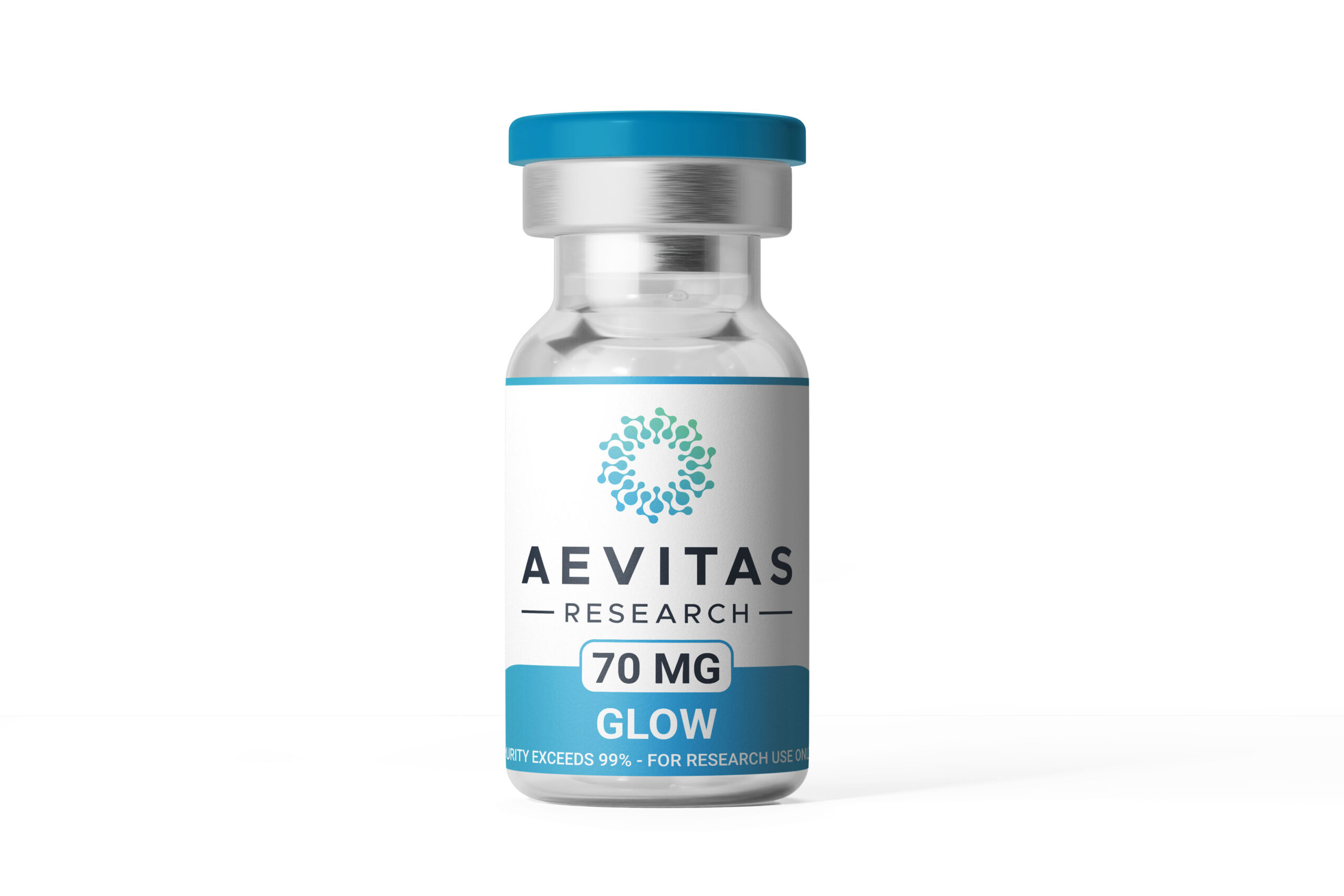
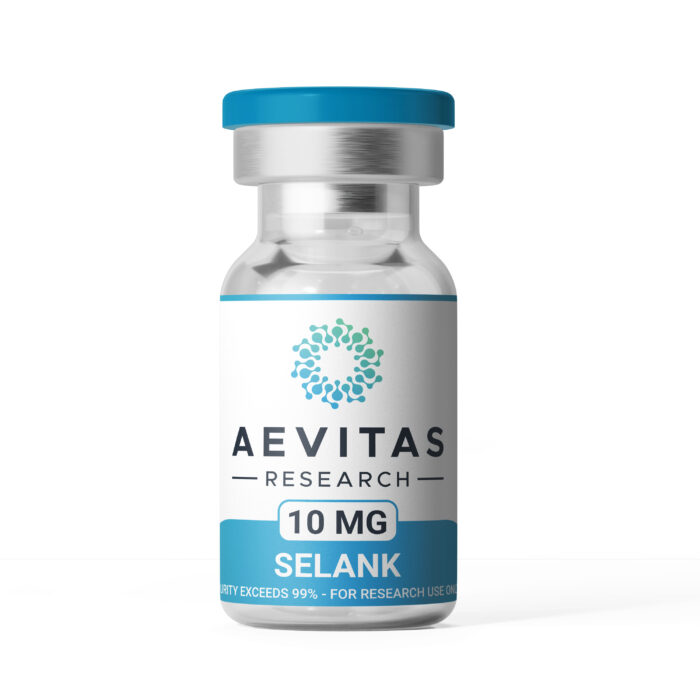
GLOW – 70mg is a peptide blend composed of several structurally distinct peptides commonly examined in laboratory research environments. The formulation includes GHK-Cu, BPC-157, and TB-500, each representing short amino acid chains that researchers frequently investigate in controlled experimental settings.
Peptides are short chains of amino acids that function as signaling molecules within biological systems. Within laboratory environments, peptide compounds are often examined to better understand molecular signaling processes, receptor interaction pathways, and peptide-mediated cellular communication.
Multi-peptide blends such as GLOW combine several peptide structures into a single formulation, allowing researchers to examine peptide interactions and molecular stability characteristics within controlled research environments.
Chemical Information
Peptide Name: GLOW Peptide Blend
Quantity: 70mg
Composition:
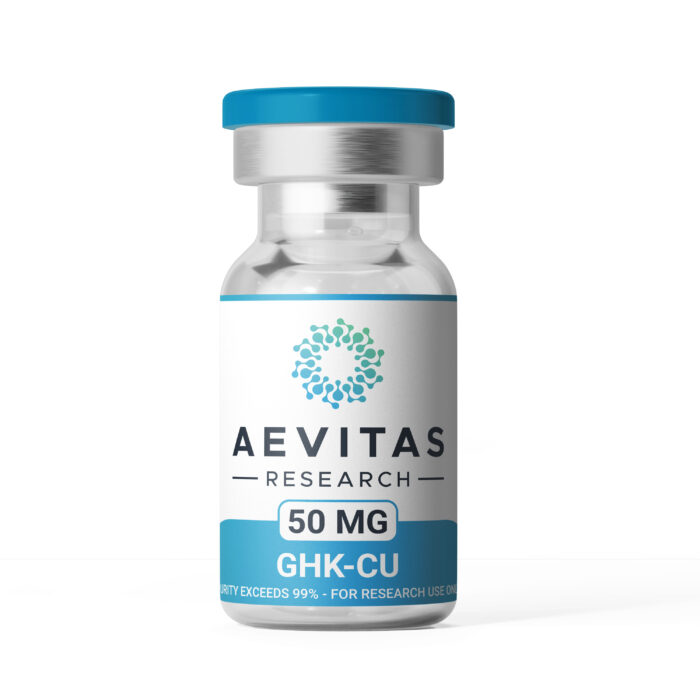
• GHK-Cu – 50mg
• BPC-157 – 10mg
• TB-500 – 10mg
Sequence Length:
• GHK-Cu – 3 amino acids
• BPC-157 – 15 amino acids
• TB-500 – 17 amino acids
Purity: ≥99%
Appearance: Lyophilized blue powder
Analytical Verification
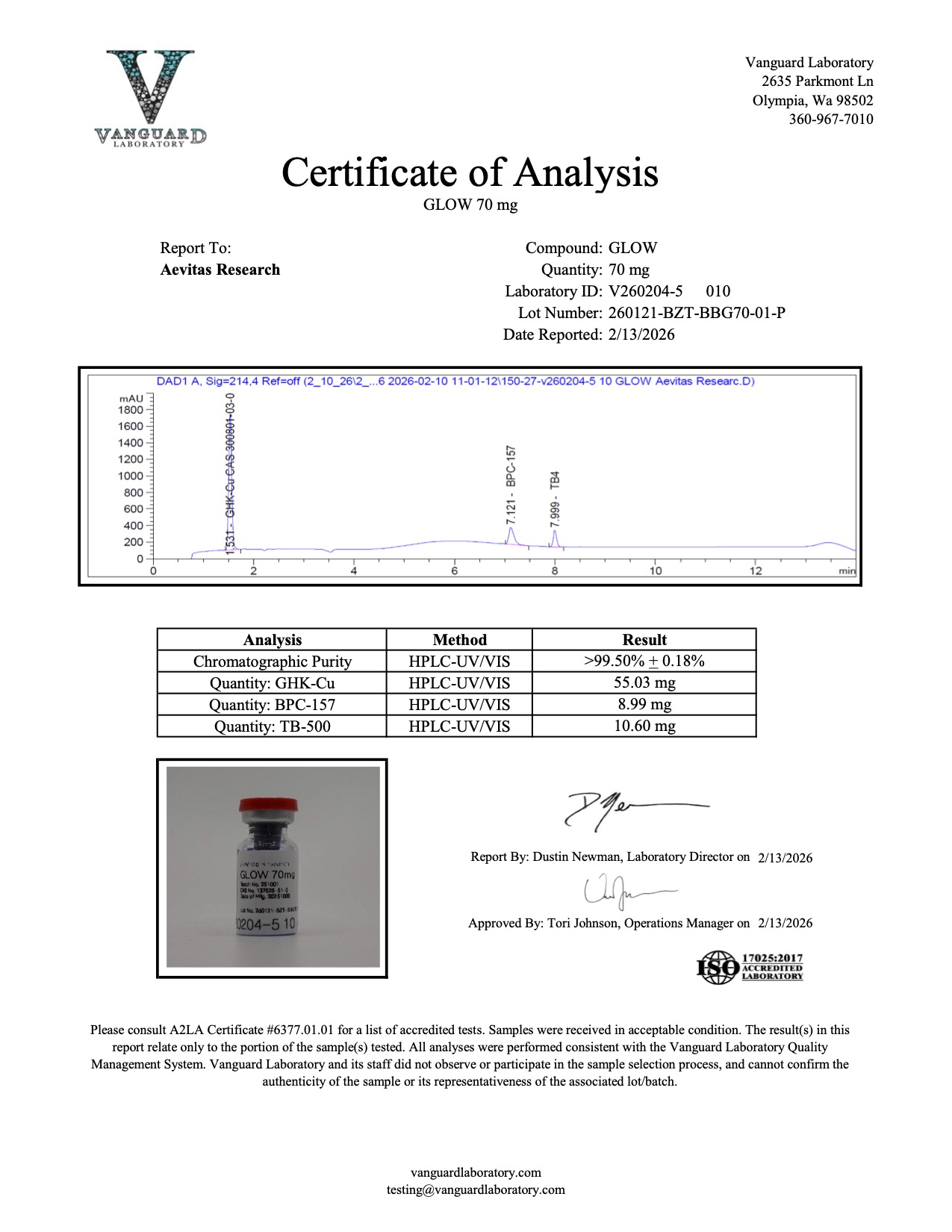
Each batch of the GLOW peptide blend undergoes analytical verification to confirm compound identity and purity. Analytical procedures commonly include high-performance liquid chromatography (HPLC) and other analytical techniques used to evaluate peptide composition and structural integrity.
Verification procedures evaluate:
• peptide purity profile
• chromatographic retention time
• batch consistency
• molecular identity confirmation
Analytical data corresponding to each production batch is documented through a Certificate of Analysis (COA).
Certificate of Analysis
A Certificate of Analysis provides documentation associated with a specific production lot. These documents contain analytical data confirming compound purity and laboratory testing methodology.
COA documentation commonly includes:
• batch identification number
• purity percentage
• chromatographic testing results
• analytical method
• laboratory verification data
Researchers reference COA documentation to maintain traceability and consistency within experimental workflows.
Peptide Synthesis
The peptides contained within the GLOW formulation are produced using solid-phase peptide synthesis (SPPS), a process widely used for assembling peptide sequences through sequential amino acid coupling.
The synthesis process typically includes:
-
sequential amino acid assembly
-
purification using chromatographic separation
-
analytical confirmation of molecular identity
-
lyophilization to maintain compound stability
Following purification, the peptides are freeze-dried to preserve structural integrity during storage and transportation.
Storage Conditions
Lyophilized peptides should be stored under controlled conditions to maintain stability.
Recommended handling considerations include:
• storing in a cool dry environment
• minimizing exposure to moisture and heat
• avoiding repeated freeze-thaw cycles after reconstitution
Proper storage helps maintain compound integrity during laboratory research.
Available Sizes
GLOW – 70mg
Each vial is labeled with batch identification to support traceability for laboratory research applications.
Related Peptide Compounds
Researchers examining peptide signaling pathways often investigate related peptide compounds including:
GHK-Cu – 50mg
BPC-157 – 5mg
BPC-157 – 10mg
TB-500 – 10mg
These peptide compounds are frequently studied within laboratory environments investigating molecular signaling pathways and peptide interaction mechanisms.
References
Scientific literature describing peptide signaling mechanisms and experimental peptide research is available through peer-reviewed research databases.
PubMed
Disclaimer
This product is supplied for laboratory research use only.
Not intended for human or veterinary use.
Products distributed by Aevitas Research are intended exclusively for laboratory research purposes and must be handled by qualified professionals in controlled research environments.